Builds
agent-video-downloader: One CLI for TikTok, Instagram and X Video (Built as a Multi-Agent System)
agent-video-downloader gives AI agents one CLI for video from TikTok, Instagram, X, Douyin, Rednote, and Reddit: four agents, fallback chains, verified bytes.
Last updated: November 14, 2026 · 6-minute read
21 of 24 real videos, 1.2 GB in total, pulled from six platforms by one command line — that is the batch test recorded in the README of agent-video-downloader, the downloader I built for AI agents. It exists because of a specific, modern failure: the standard tool for this job works from a home connection and falls over from the datacenter IPs where cloud agents actually live. This post covers the design that routes around that failure, and the places where the platforms still win.
The problem statement is narrower than "download videos". A cloud agent — Claude Code, Cursor, Cline, a GLM or GPT CLI — gets handed a TikTok or X link mid-task and needs the actual bytes: for transcription, for OCR, for analysis. yt-dlp is the obvious answer and, per the project's research, a broken one from datacenter IPs on TikTok, Twitter, Reddit, Instagram, and Douyin. The platforms have learned what a datacenter smells like. So the tool had to stop pretending one extractor per platform was a plan, and start treating every platform as a chain of routes that fail over to each other.
Four Agents, No LLM in the Loop
The system calls itself multi-agent, and the word is doing precise work here — these are four plain-Python agents with contracts, not four prompts. No language model sits in the runtime loop.
- Orchestrator — owns the extractor registry, drives each platform's fallback chain, and persists job state to SQLite, so an interrupted batch resumes instead of restarting
- Verifier — a six-layer integrity check on every download: size, magic bytes, ffprobe, duration, streams, and the moov atom, because a file that exists is not a file that plays
- Truth Agent — cross-references the downloaded file's metadata against the source platform, through oEmbed, syndication endpoints, RSS, or Open Graph, and issues a verdict
- Tester — runs the end-to-end suite against the sample URL set, so platform breakage shows up in tests before it shows up in a task
Failed jobs land in a dead-letter queue with a replay command, and an MCP server mode (avd mcp, stdio JSON-RPC) exposes the same machinery to agent hosts directly. The design doctrine runs on one sentence, inherited from the ytagent work: an honest failure with a reason beats a confident empty file. Every layer of this tool exists to make failure loud and success verified.
Six Platforms, Six Fallback Chains
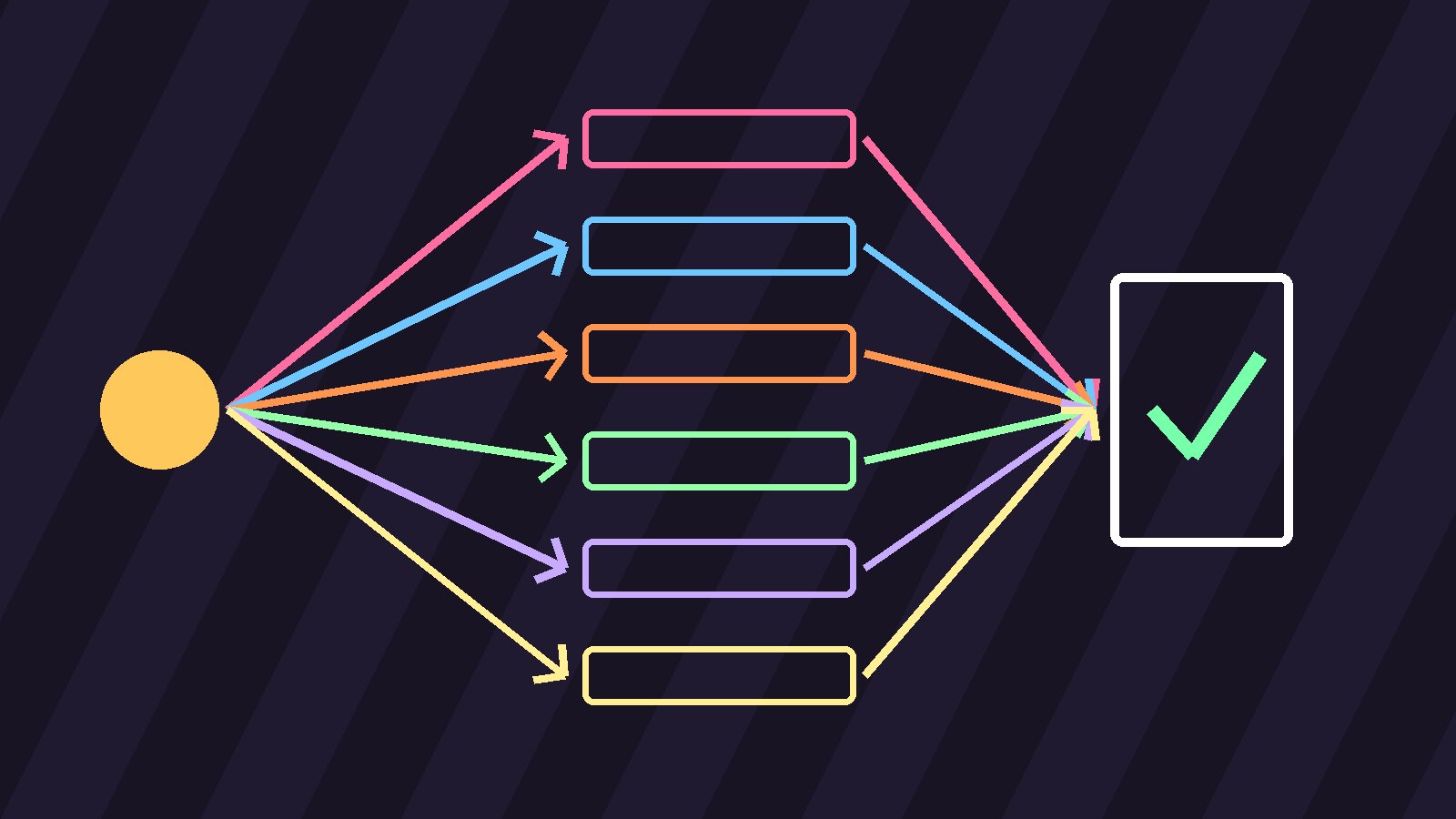
Each extractor is a slot-based chain — try the primary route, fall to the next on failure, record every slot tried in the run's manifest:
Two design choices are worth pulling out. First, no browser, no cookies, no login on the default paths — a tool for agents cannot depend on a human's session surviving. Second, the manifest records the chain, so when a platform breaks, the issue you file carries extractorchain and slotstried instead of a shrug. Breakage in this category is not an if; the chains are built for the day each primary route dies.
The Record, Stated Plainly
The README documents a live verification run from October 3, 2026, executed from a Hong Kong datacenter IP through the tool itself: all six platforms produced real video bytes, including a 156 MB 4K file from X and a 283 MB interview from Reddit. The harder batch test — 24 URLs, four per platform, large files first — landed 21 of 24. TikTok, Twitter, Instagram, Reddit, and Douyin went four for four. Rednote went one for four: one verified image, and three requests bot-walled without a cookie, recorded in the README as a documented limitation rather than rounded away.
That is the number I want quoted, because it is the honest shape of this category: five platforms reliable, one platform conditional, every failure named. The tool is on PyPI at version 1.2.2 — pip install agent-video-downloader, then avd agent-setup installs ffmpeg and dependencies — under the MIT licence, on Python 3.10 or newer.
TL;DR
- agent-video-downloader is one CLI that fetches video for AI agents from TikTok, Instagram, X, Douyin, Rednote, and Reddit — the routes are built to work from datacenter IPs, where yt-dlp struggles
- Four plain-Python agents: Orchestrator (fallback chains, SQLite job state), Verifier (six-layer file integrity), Truth Agent (metadata cross-check), Tester (end-to-end suite) — no LLM in the runtime loop
- Every platform is a fallback chain of public routes; no browser, cookies, or login on default paths; failures land in a replayable dead-letter queue
- The documented batch test: 21 of 24 real videos (1.2 GB) — five platforms at four for four, Rednote at one for four behind a bot wall, stated in the README
- On PyPI (version 1.2.2), MIT-licensed, Python 3.10+, with an MCP server mode for agent hosts
- Rights sit with the downloader: fetch only content you own or are permitted to process, and expect platform terms to have opinions about the rest
Where It Falls Short
The honest answer: this tool lives on borrowed ground, and its own documentation says so in structure if not in words.
- Every route is someone else's endpoint. Mirror APIs, embed endpoints, public demos — each can vanish, rate-limit, or start demanding a login without notice. The fallback chains buy resilience, not immunity. Any workflow built on this needs the Tester running regularly, because silent rot is the default future.
- Rednote is conditional, today. One of four in the batch test, bot-walled without a cookie. The cookie path exists as an option, but a tool whose selling point is "no login" has to call that what it is: a platform it half-supports.
- Third parties see your requests. Routing through mirror services means those services see the URLs you fetch. For public content that is a fair trade. For anything sensitive, it is a reason to self-host the sidecars or stay out.
- Platform terms are not a footnote. Downloading video sits inside each platform's terms of service, and those terms generally restrict it. The legitimate uses are real — your own content, licensed material, research and analysis with rights — and so is the line. The tool verifies bytes. It cannot verify your right to have them; that part is yours.
- Zero stars, one maintainer. As of November 14, 2026 the repo sits at zero stars. It is tested, published, and used in my own agent workflows — and it has exactly the community mileage that description implies. Trust the test logs, verify against your own URLs, and file issues with manifests attached.
The Verdict
agent-video-downloader is what a downloader looks like when it is designed for the environment agents actually run in: hostile IPs, no browser, no session, and a hard requirement to know whether the file you got is the file you asked for. Four small agents, six chains, verified bytes, honest failures. It is a piece of plumbing — and plumbing that admits when it is blocked is the only kind worth building agent workflows on.
It sits in the agent toolkit beside imgagent, which applies the same verified-bytes doctrine to images, and it descends from the ytagent work that mapped the datacenter IP problem first. The whole toolkit lives on the projects page.
---
Not affiliated with TikTok, Instagram, X, Douyin, Xiaohongshu, or Reddit. Sources: agent-video-downloader GitHub repository, including its README, architecture notes, and documented live test results, and its PyPI page.