Insights
Patcher Cat-and-Mouse: Why Android Patchers Break, Get Fixed, and Break Again (The Evergreen Explainer)
Android patchers break on a cycle, not by accident. The mechanics of patch, counter-move, and re-patch, explained once and for all.
Last updated: November 12, 2026 · 7-minute read
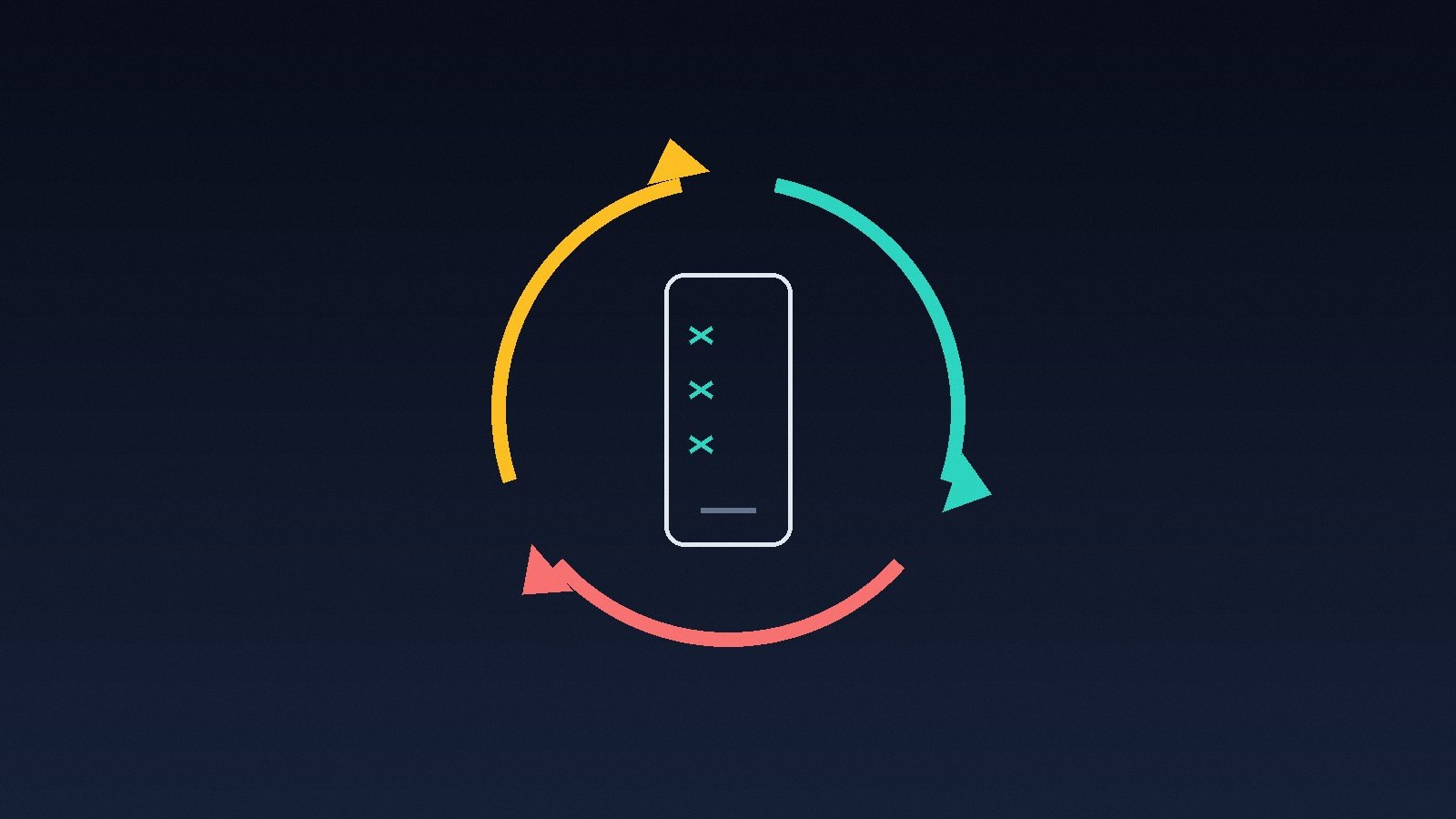
Every patched app you own is on a countdown. Not because the patch was sloppy — because the other side gets a move. Android patching runs on a cycle with three beats: a patch ships, the app provider changes something, the patch breaks and gets fixed. Understand the mechanics once, and every future "it stopped working" headline explains itself before you finish reading it.
This is the evergreen version — no version numbers to rot, no download links, no instructions for any specific app. Just the machine underneath the Morphe and ReVanced story this site already covers, explained at the level that stays true next year too.
What a Patcher Actually Does
Start with the model, because the model decides everything downstream. A patcher like Morphe does not distribute a modified app. You supply the official APK — the same file the Play Store would install — and the patcher modifies it on your device: injecting, removing, or altering small, named pieces of code and resources, then repackaging the result for installation.
Three properties follow from that design, and all three shape the cat-and-mouse:
- The patch is a diff against a specific build. Each patch knows where things live inside one version of one app. Move the furniture, and the diff points at empty rooms.
- The work happens locally, without root. Your APK and your data never leave the phone, and nothing needs an unlocked bootloader. The patcher is a tool, not a service.
- Nothing is hosted to seize. The project ships patches and a manager, never the modified app itself — the architecture the earlier Morphe piece on this site described as the legally sturdier model, and it is.
Beat One: The App Updates
Apps like YouTube update constantly, and every update is a fresh target. Code gets refactored, resources get renamed, layouts get rebuilt. A patch written against last month's build reaches for a method that moved, a resource ID that changed, or a check that did not exist before.
This is the most common breakage and the least dramatic: nobody aimed at the patcher. The ground simply moved, the way it moves under every mod, theme, and automation script ever written against a living app. Version pinning — patching one known-good APK and refusing updates — is the user's traditional shelter here, and it works until beat two arrives.
Beat Two: The Provider Pushes Back
Providers are not passive ground. An app can check its own integrity — verifying its signature, comparing its code against expectations, asking a server what the client should look like. Server-side changes are the strong move: the app on your phone can be untouched while the service behind it changes the questions it asks, and a patched client that answered yesterday's questions correctly starts failing today's.
Deliberate counter-moves sit on a spectrum. Some are generic platform hygiene — integrity checks any large service runs for fraud and safety reasons, patched clients caught in the same net as bots and clones. Some are aimed squarely at patching features, particularly anything that touches ads or paid tiers. From the outside, the two look identical: the app breaks.
From the patcher's side, the response differs — a moved method is an afternoon's work; a new server-side check is a research project.
Beat Three: The Patch Catches Up
The fix cycle is the part the community is actually organised for. Patch sets are modular — Morphe's library, per this site's earlier count, ran to 145 patches across three apps — so a break usually kills a handful of patches, not the library. Developers trace what changed, rewrite the affected patches against the new build, and ship an update. Users re-patch with the new bundle, or wait on their pinned version until they do.
Notice what this rhythm selects for. The winning trait is not cleverness; it is maintenance stamina. A patch project lives or dies on how many cycles it can answer — which is exactly why the ReVanced-to-Morphe transition mattered more than any single feature.
ReVanced's manager repo went quiet in late July 2026, and the ecosystem's centre of gravity moved to the team still shipping fixes. In a cat-and-mouse game, the side that stops moving loses by default.
TL;DR
- A patcher modifies an official APK you supply, on your device — it distributes diffs, never modified apps
- Patches are written against specific builds, so ordinary app updates break them without anyone aiming at patchers
- Providers also push back directly: integrity and signature checks on the client, and stronger server-side changes a local patch cannot see coming
- Fixes are modular — a break kills a few patches, the bundle updates, users re-patch
- The cycle rewards maintenance stamina over cleverness; a patch project that stops shipping fixes is finished, whatever its star count
- None of this is stable by design — patched apps are a subscription to the cycle, paid in occasional breakage
Why the Cycle Never Ends
Neither side can declare victory, and the reasons are structural. The provider cannot lock the client down completely without breaking legitimate users, older devices, and its own update pipeline — an app that refuses to run anywhere unusual refuses to run in too many real pockets. The patcher cannot win permanently because it does not control the target: every release re-rolls the board, and the server side can change rules without shipping anything at all.
What changes over time is the cost curve. Each round, providers learn which checks patchers route around; each round, patchers get better tooling — patch templates, shared libraries, manager apps that make re-patching a two-minute job instead of a weekend project. The mouse does not outrun the cat. It just makes the chase cheap enough to keep running.
Where It Falls Short
An explainer owes you its own limits, and this topic has legal ones too.
- The gray zone is real. Patching an app you obtained legally, for personal use, sits in a legal middle ground that varies by country, and circumventing paid features is murkier than removing annoyances. This piece explains mechanics; it is not legal advice, and it deliberately contains no instructions for patching any specific app or feature.
- Breakage is a when, not an if. Anyone who patches their daily-driver app will, eventually, open it to a black screen, a playback error, or a login loop — usually at the least convenient moment. Keep the official app installed if the service matters to you.
- Pre-patched APKs are the trap door. The whole patcher model exists so you never install a stranger's modified build. Sites offering ready-made patched downloads invert that protection; the file can contain anything, and in this ecosystem, some of them do.
- Creators sit inside this cycle too. Patches that remove ads remove income from the people whose work fills the app. That does not settle the argument, but an honest explainer does not hide it either.
- Specifics rot; mechanics do not. Patch counts, repo statuses, and version numbers in this piece are as of November 2026 and will age. The three-beat cycle is the part written to survive — check the linked Morphe piece and the projects themselves for the current score.
The Verdict
The honest answer: a patched app is not a product you install once — it is a position you hold in an ongoing negotiation between a provider and a patch community. Patchers break because the ground moves, get fixed because the community is organised to move with it, and break again because the ground never stops. Choose your patcher the way this site chose to cover Morphe: not by its feature list, but by whether its maintainers are still answering the cycle.
The full Morphe story — how it succeeded ReVanced and what it patches today — is in Morphe quietly replaced ReVanced. The privacy side of the Android stack lives in the privacy tools roundup, and the rest of the toolkit is on the projects page.
---
Not affiliated with Morphe, ReVanced, or Google. Sources: MorpheApp GitHub organisation, ReVanced GitHub organisation, and this site's Morphe analysis linked above.